My garden is in full bloom
Kota the Friend: Full Bloom
A recent project my family has been working on together is the maintenance and upkeep of our lawn. We have been working on a few different areas doing different things to bring a little more life to our yard. We’ve done plenty of small beautification projects like add mulch to the flowerbed in front of our porch, we’ve pulled weeds and poison ivy from our backyard, and my mother has even planted some tomatoes and peppers in pots on our deck. Most recently, however, we have been working on our front lawn, adding topsoil and new grass to parts of it that were dead. As I was tilling and digging soil, shoveling gravel, and shaping the earth a thought–more so a feeling– entered my mind. That feeling was a passion in restoration. Restoring the land is a great practice, not only because it helps preserve the lives that live upon it, but also because it both ensures the land’s longevity and creates, if not deepens, the relationship we have with the land.
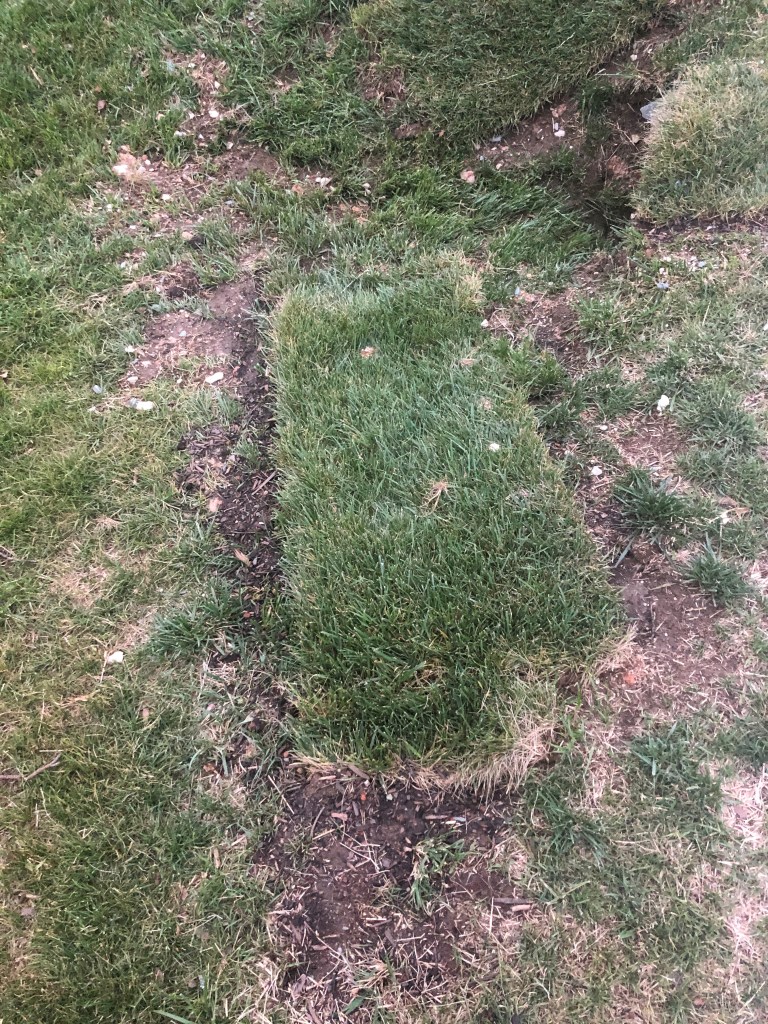
This idea of having a relationship with land is not uncommon. There are families, mine included, who have ownership over an area of land that they plan to keep. It is a resource coveted by developers, real estate brokers, and even governments. Land, for many, means power– and gaining that power means gaining control over land.
I bring this to your attention, dear reader, because land restoration and reclamation have been areas of study for me as of late. The acclimation of land, and thus power, I mentioned before is not limited to the United States, nor to developers, brokers, or governments. In Colombia, land is coveted by drug traffickers, paramilitaries, and armed guerilla groups. Colombia’s internal armed conflict has impacted millions of citizens. The history of violence, displacement, and destruction has claimed the lives of many, and broken the connection between people and their ancestral lands. It is a modern tragedy, and the group disproportionately affected by this displacement is Afro-Colommbians.
The forced exodus of the millions removed from their homes, their histories, and their communities has been a very prominent topic in my courses and discussions. The displacement of Black bodies is not at all a historical anomaly, but Law 70 of 1993 is nothing short of a milestone. Law 70 is basically government legislation guaranteeing land rights, protections, and collective property specifically to Black Communities in Colombia’s Pacific coastal region.
Pretty impressive, right? The Law, though it has its issues (especially with it’s lack of enforcement and fair oversight, something I’m learning in my classes now), it shows that there are efforts being made to make some modern form of reparations. In theory, this Law can begin to mend the broken relationship between the land and those who have once occupied it. Restoration of the land and an opportunity to create history have been made possible. I have enjoyed the privilege of beautifying the land I live upon, and in that action I stand in solidarity with Afro-Colombians are now fighting to retake theirs. While I pull weeds, to make my mother’s flower garden look good, there are those pulling out coca plants from their farms so they can have a second chance at a fair and happy life. I wanted to share this with you all because it struck me very sharply while I was working, and I always like to think further on the things I am learning as I apply them to my life in the States. Thanks for reading!

